Samuel Ogunsona is a rising star in Nigeria’s journalism landscape whose reporting has centered on Indigenous and human rights, climate change and other pressing environmental issues. He’s reported for a range of media programs and outlets, including Irohinodua – the first news outlet representing the voices of Nigeria’s Indigenous communities – and other reputable media outlets in his nation, including Journalists for Democratic Rights (JODER) and the International Press Center (IPC).
Recently, as a member of the sixth cohort of Mongabay’s Y. Eva Tan Conservation Reporting Fellowship, he learned the nuances of environmental journalism from Mongabay’s top trainers and decided to apply his new skills to exposing the dangers of using banned pesticides, a hazard that is not well known to their users or to consumers in Nigeria. Being the most populous country in Africa and the sixth-largest worldwide, there is a very large audience that is in great need of this kind of environmental and public health reporting.
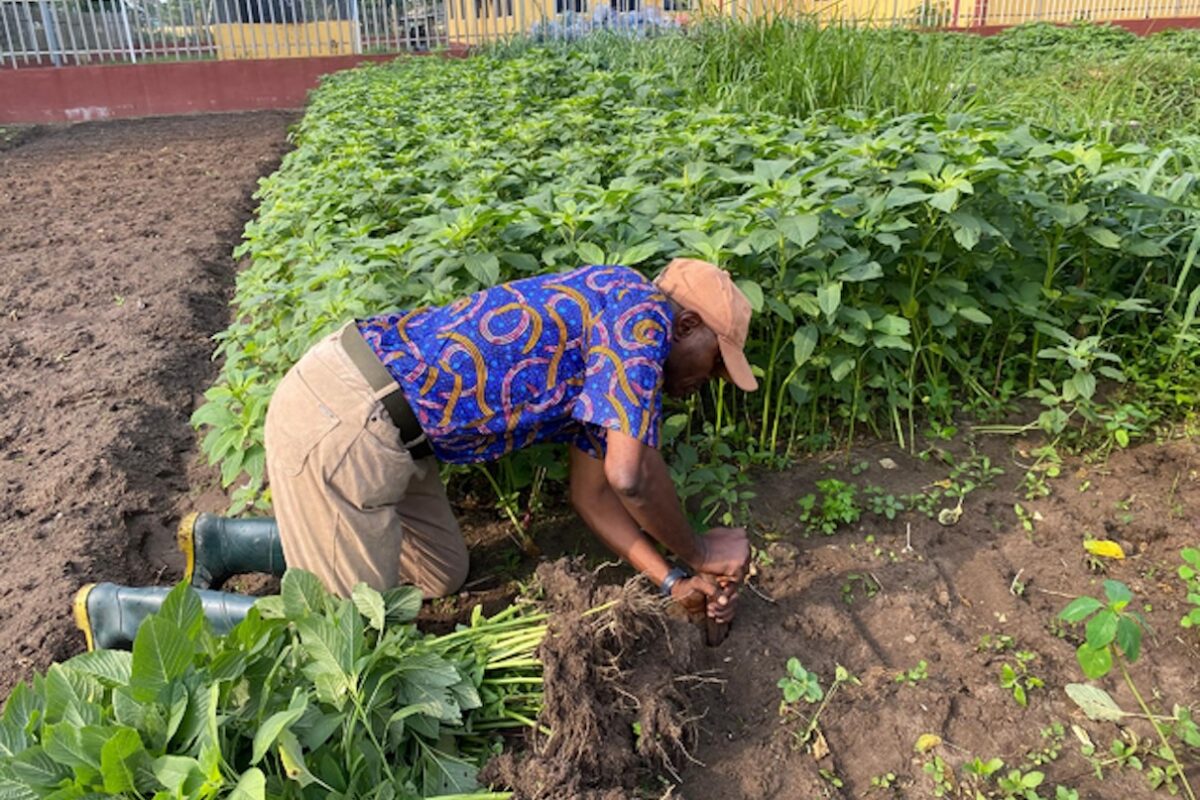
Ogunsona began his report by telling the story of “Joe,” a Nigerian farmer whose negative experience with a banned — yet still widely sold & used — pesticide illustrates a widespread public health problem, as pesticides deemed unsafe in many countries continue to surface on farms across Africa, and in Nigeria in particular.
Recent research points to the need for greater education among Nigerian farmers, as many are misusing pesticides (including banned ones), applying them without protective gear and suffering health effects from the exposure, which have been well documented. Joe’s bad experience prompted the reporter’s investigation into soil quality and potential contamination risks associated with prolonged organochlorine pesticide use.
As part of the reporting, Ogunsona commissioned testing of soil, animals and vegetation from Joe’s farmland, and the results confirmed the presence of several pesticides banned 17 years ago in Nigeria. These results raised questions about pesticide use in the area and the health and safety of farmers, the environment and the produce that people buy in markets.