
Exposing wildlife trafficking hidden in plain sight in Laos

A collaborative investigative report published in July 2025 by Mongabay and the Global Initiative Against Transnational Organized Crime (GI-TOC) revealed a disturbing  business model in Laos: secretive retail operations posing as cafés and cultural venues are selling illegal wildlife products to elderly Chinese tourists.

With a range of products that include ivory, rhino horn, bear bile, pangolin scales and tiger bones, these shops pose as cafés, museums and cultural experiences and sell them at inflated prices. Since 2024, these shops have proliferated across the cities of Luang Prabang and Vientiane, many are guarded by armed men in military uniform, but access is reserved for Chinese tourists on pre-arranged package tours. Mongabay’s investigation identified more than 20 shops in the cities operating behind a façade of tourism and traditional medicine.
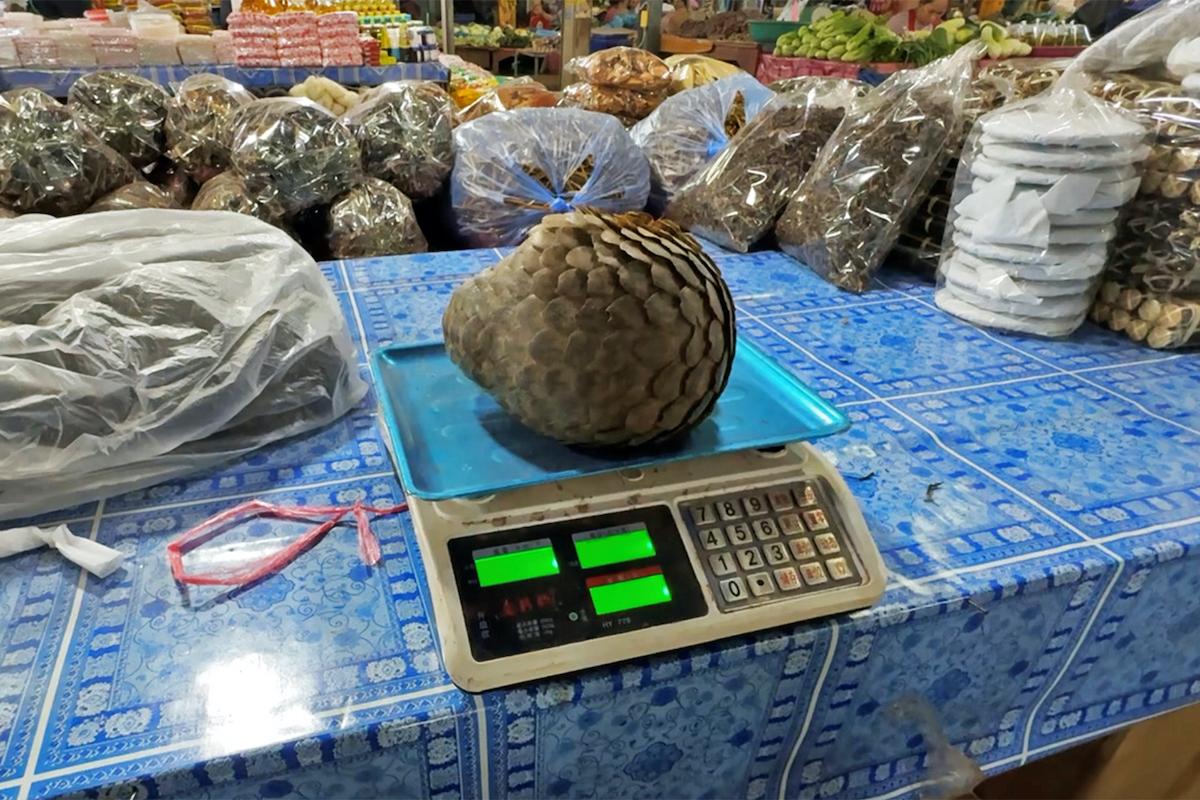
In 2024, undercover investigators from Agent C Wildlife Initiative documented the covert sale of live pangolins at Dongmakkhay market, Vientiane. Sellers would only bring the animals out to be inspected for Chinese tourists. Image supplied by Agent C Wildlife Initiative.

The article, grounded in field reporting and undercover work, documented how elderly Chinese tourists are funneled into these shops via budget tour packages arranged through Chinese operators. Mongabay and GI-TOC found that sellers use coercive and misleading sales pitches claiming conservation benefits and religious blessings for wildlife-derived products. These operations violate both Lao law and the Convention on International Trade in Endangered Species of Wild Fauna and Flora (CITES). The business model is estimated to be making tens of millions of dollars in Laos. Mongabay also produced a short video to accompany this report, summarizing its findings for a general audience to further increase awareness of this underreported issue.

Impact

Laos’ Minister of Tourism was briefed on the investigation’s findings. Mongabay also learned that the report reached staff at IUCN and WWF. WWF notified GI-TOC that they organized an awareness campaign on the Laos-China Railway, the same route used by tourists implicated in the trafficking scheme. They set up posters at each station along the route and added voice messaging inside the train cars warning about the consequences of purchasing and smuggling wildlife products. 

This outcome is a clear example of how independent journalism can bring hidden wildlife trafficking economies into view and translate that exposure into action. In doing so, it demonstrates how reporting can empower NGOs, such as WWF, with the right information to raise further awareness about widespread environmental crime.

Support independent environmental journalism

If you are interested in helping shed light on conservation issues such as this, there are two excellent ways you can do so with Mongabay. First, consider making a donation, which directly helps us continue to produce high-impact journalism from nature’s frontline. Second, subscribe to Mongabay’s newsletter to get the latest environmental news delivered right to your inbox, and share whatever articles move you with friends and family.

About Mongabay

Mongabay is a nonprofit environmental science and conservation news platform focused on providing original, reliable, and independent journalism from nature’s frontline. We pride ourselves on producing reporting that has substantial and tangible impacts around the world.

Banner image: Thai authorities seized more than 200 kilograms (440 pounds) of ivory hidden in luggage shipped out from Congo to Laos via Bangkok in 2015. Image by AP/Sakchai Lalit.