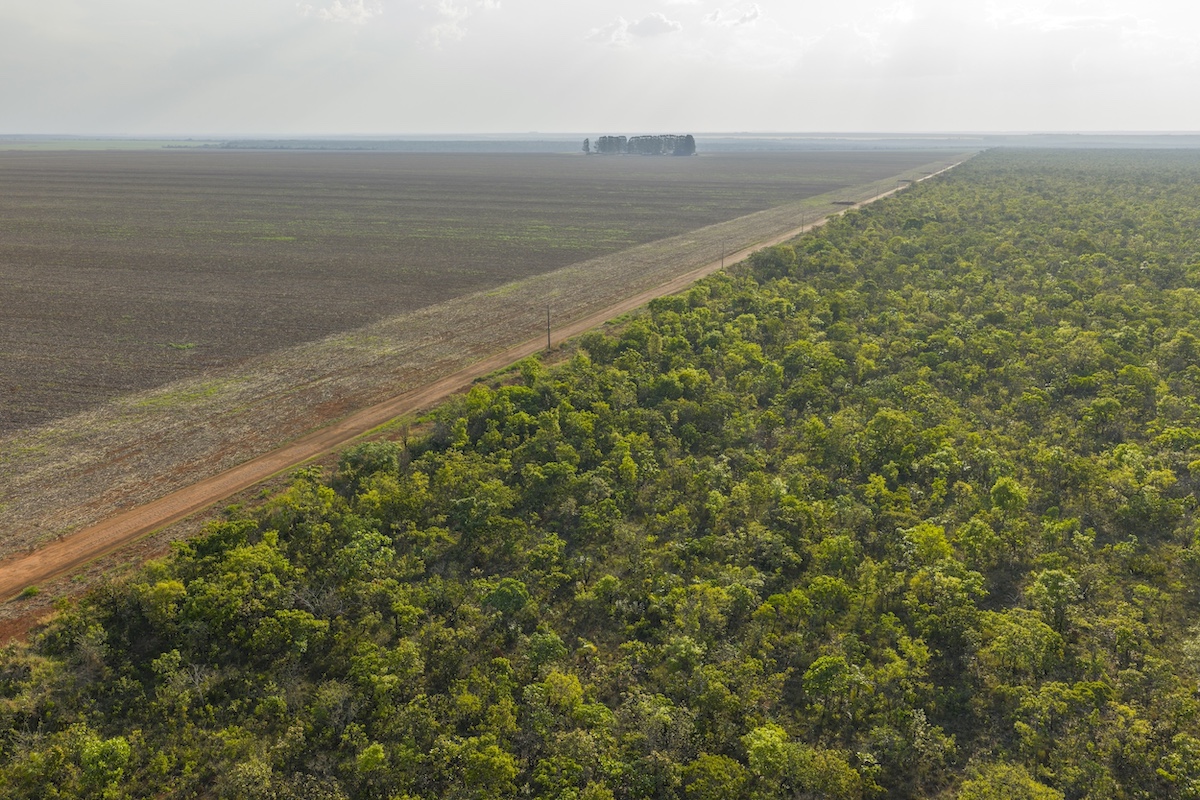
These aren’t isolated stories. Together, they reveal how global supply chains, financial flows, and local land conflicts intersect in one of the world’s most threatened ecosystems.
Impact
Global policy and research
Mongabay’s reporting has informed broader discussions in international policy and research on rural inequality, land rights and sustainable development.
Coverage on themes like land tenure insecurity and the marginalization of traditional communities, is referenced in reports by the United Nations (UN) system and development organizations, including FAO analyses on drylands, agriculture, and rural livelihoods, UN policy briefs on rural inequalities and case studies on sustainable livelihoods in the Cerrado, and broader research on climate change, migration, and Indigenous and traditional peoples. These reports demonstrate a growing global recognition of the issues Mongabay has documented in the Cerrado.
Civil society and advocacy
Mongabay’s coverage has also informed a wider body of civil society research and advocacy examining deforestation, supply chains, and environmental governance.
For instance, reports by organizations including Greenpeace, the Forest Declaration Assessment, Climate Focus, Friends of the Earth, Rede Social and ActionAid and Mighty Earth highlight many of the same dynamics documented in Mongabay’s reporting and directly cite journalist Sarah Sax’s reporting on the Cerrado, including soy-driven deforestation, supply chain pressures and governance gaps. Together, these efforts contribute to a growing evidence base connecting local impacts in Brazil’s tropical savanna to global systems of trade, finance and consumption.
Financial and legal accountability
Mongabay’s reporting has also informed growing scrutiny of the financial sector’s role in deforestation and land-use change.
Reportage about land speculation, agribusiness expansion, and supply chain opacity, is used in civil society complaints and financial sector analyses examining investment risks and links to environmental harm, including a Principles for Responsible Investment (PRI) complaint led by CIEL, as well as reports on European bank financing and deforestation risk by organizations such as SOMO and Fair Finance. These analyses directly cite Sax’s reporting, primarily on the Cerrado, with the PRI complaint drawing on her coverage of the Atlantic Forest, another highly threatened biome in Brazil.
These processes contribute to broader efforts to strengthen transparency and hold financial institutions and investors accountable for their role in ecosystem destruction.
While the Cerrado continues to face accelerating pressure, Mongabay’s independent journalism, which maintains long-term visibility — rather than solely when a crisis peaks — enables researchers, policymakers and advocates to act on the insights the reporting surfaces.
Support independent environmental journalism
If you are interested in helping shed light on topics such as this, there are two excellent ways you can do so with Mongabay. First, consider making a donation, which directly helps us continue to produce high-impact journalism from nature’s frontline. Second, subscribe to Mongabay’s newsletter to get the latest environmental news delivered right to your inbox, and share whatever articles move you with friends and family.
About Mongabay
Mongabay is a nonprofit environmental science and conservation news platform focused on providing original, reliable, and independent journalism from nature’s frontline. We pride ourselves on producing reporting that has substantial and tangible impacts around the world.